
Packing fragile items for moving requires a careful approach and quality materials. To protect your delicate belongings, follow our tips to go through the packing process without stress and avoid any potential damage. Carry on reading to learn how to pack fragile items for moving.
Make a plan
Packing your clothes and regular household items can be done in pretty much any manner, but you’ll have to put way more time and effort when packing fragile items for moving. Breakables have to be packed with the utmost care, so planning extra time is important if you want to avoid accidents and last-minute panic. The first thing to plan is whether you want to hire professional movers or packers, or you prefer to DIY. Keep in mind that full-service moving companies will take care of everything from packing to unloading and they’ll even bring their packing supplies and everything else necessary for safe transport. Hiring movers is more expensive than DIY but can pay off if you have something extremely valuable and you don’t want to take any risks, after all, replacing something valuable can cost way more than what you pay for packing services. On the other hand, packing fragile items yourself is also possible, so we prepared some guidelines if you prefer the DIY method.
Gather packing supplies
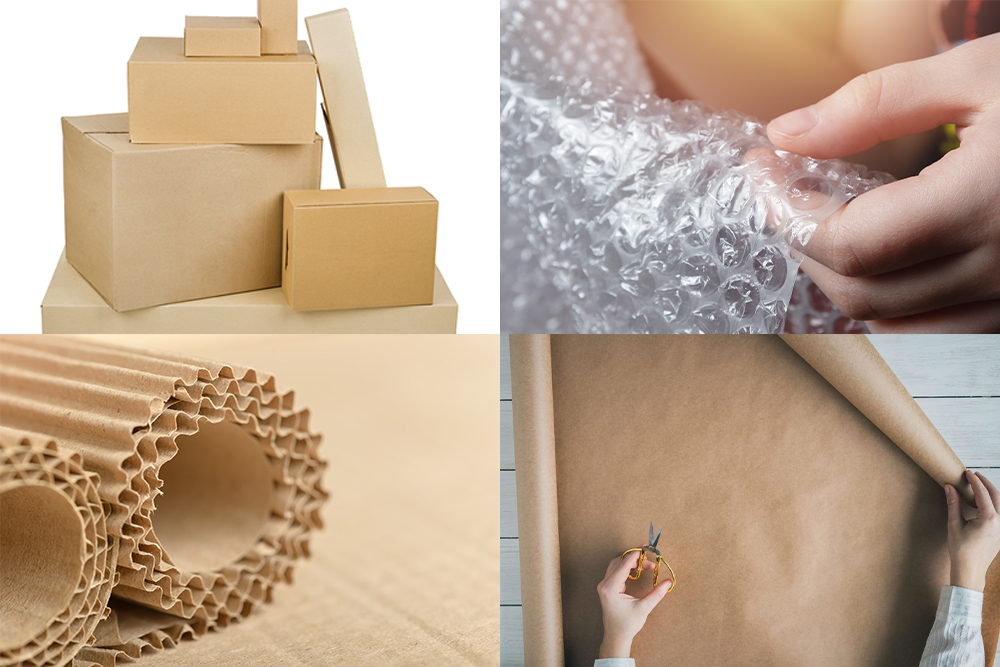
Before you start packing fragile items, go ahead and get enough packing supplies, including bubble wrap, packing paper, packing tape, packing peanuts, moving boxes, sharpie markers, printed labels, etc. You’ll need plenty of bubble wrap because that’s the most important material for protecting against breaking, but you’ll also need a sufficient amount of packing paper to protect items and surfaces from scratches. When it comes to boxes, it’s a good idea to buy several different sizes because some fragile items may need to be packed separately, otherwise, they’d make the box too heavy and that may cause the box to open and have your valuables on the floor. Always use sturdy boxes that are in good shape and consider using plastic bins instead. Besides being extra sturdy, plastic containers can also be rented so you can avoid having clutter after you move. Plus, they’ll be reused by someone else which makes them an excellent eco-friendly alternative.
Avoid cheap alternatives
While you’re buying packing supplies, only go for quality ones for packing fragile items. Only by using proper materials, you’ll be sure that your breakables are packed safely.
Check the condition
Before you place fragile items in the box, check whether the box is completely intact. Look out for any openings and if you’re not sure the box is in perfect shape just get another one because it’s not worth risking potential opening and breaking your belongings.
Cushioning
Now that you have packing supplies and moving boxes, go ahead and make a soft cushioning at the bottom of the box using bubble wrap. This first layer will make a soft base for your sensitive items and you’ll make sure things are intact during loading and unloading.
Fill in voids
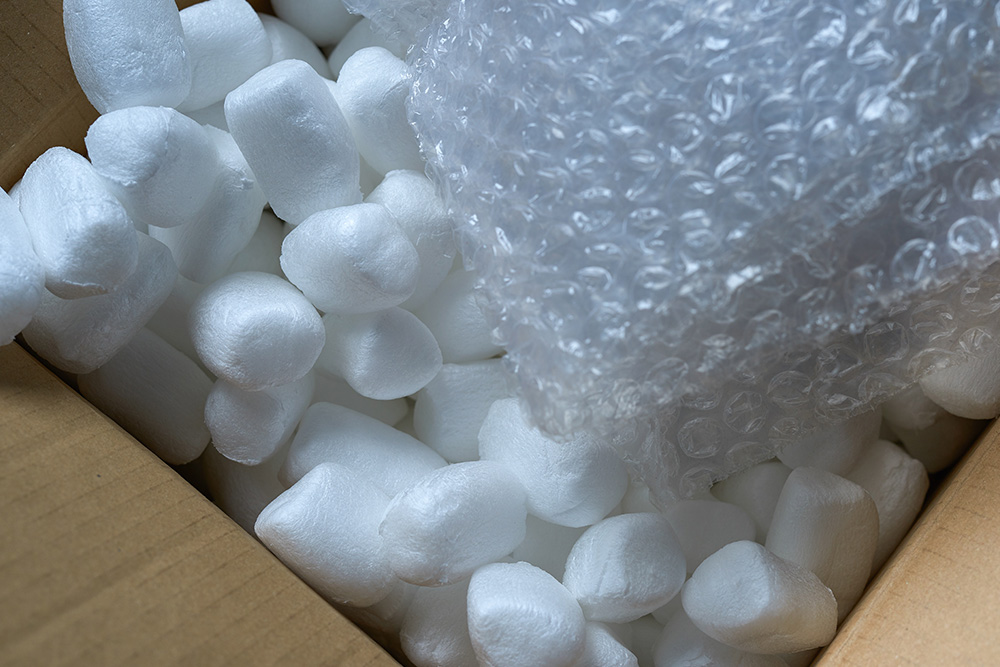
After you pack fragile items in the box, there will be empty space left which can lead to items shifting and potential damage. To avoid that, use crumpled paper, bubble wrap, or packing peanuts to fill in voids because that will make items stay in place and fewer chances for breaking.
Tape the box
After you’ve made cushioning, placed carefully packed items in the box, and filled empty spaces, it’s time to use packing tape and seal the box. Get proper packing tape instead of going for plain duct tape because packing tape is designed for the purpose and it’s sturdy enough to keep your box shut.
Label, label, label
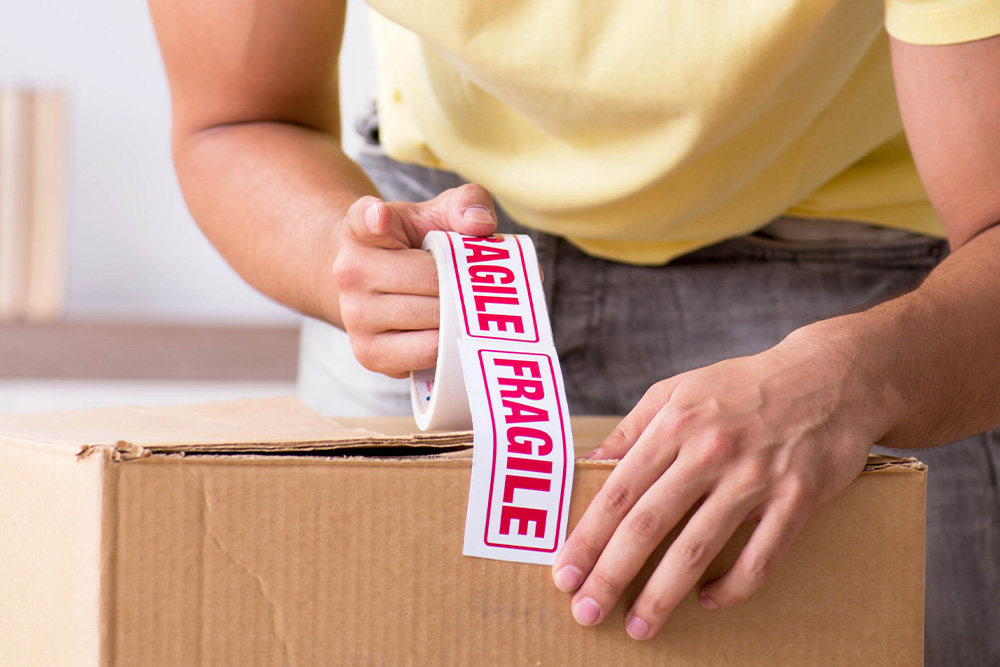
This can’t be stressed enough – label every box with fragile items by using printed labels or writing in big red letters “fragile”. Label each side of the box so it can be visible during carrying and loading. If you’re hiring movers or getting other helpers, make sure to let them know which boxes need careful handling, even after you’ve labeled each box.
Now that we’ve covered the basics, let’s take a look at how to pack some of the most fragile items for moving:
Glasses
Use packing paper to wrap the entire glass and use an extra amount of crumpled paper to fill in the inside of the glass. You should always pack heavier glasses at the bottom of the box and lighter ones on top of them to avoid the lighter ones being crushed from the weight. Separate them with cardboard dividers and never pack too many items together because glass can get really heavy and overpacked boxes can lead to damage or even injury.
Frames
Use packing paper to protect the surface from scratches and follow with cardboard corner protectors – you can purchase them or download a free template and make them on your own. To separate picture and mirror frames from each other, use crumpled packing paper or bubble wrap.
Plates
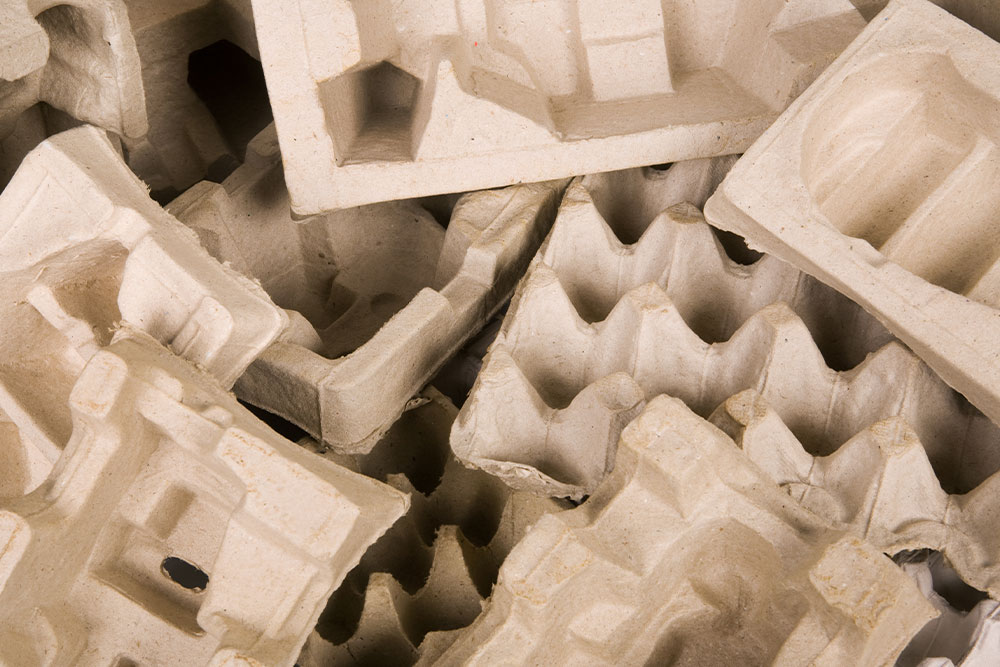
Each plate should be wrapped individually using packing paper. Use cardboard dividers to separate plates from each other and stack them vertically. You may want to stack them up horizontally, but the vertical method is much safer.
Electronics
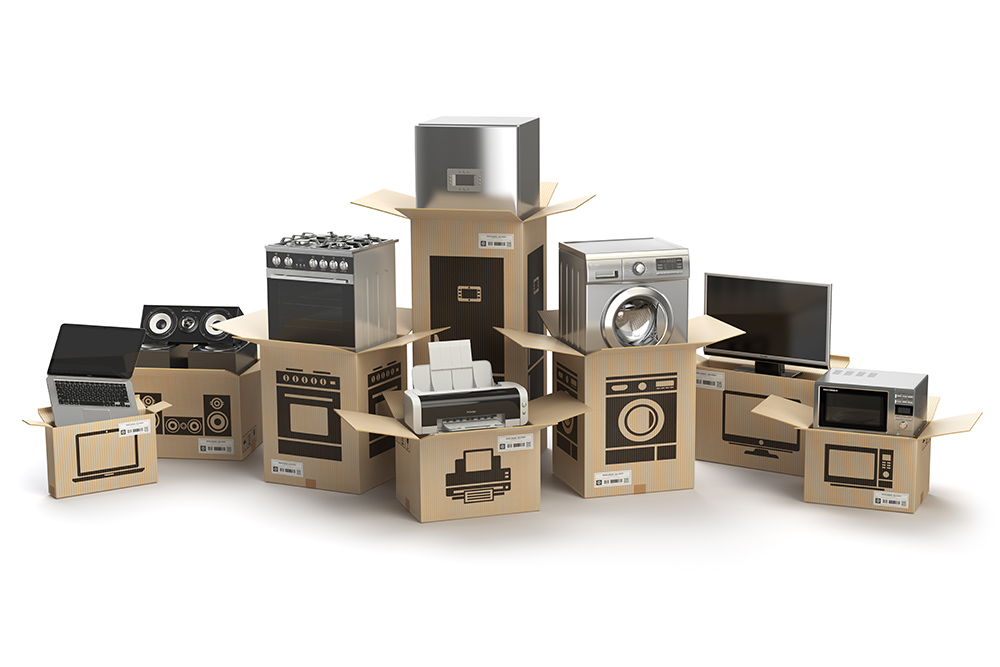
Electronic equipment is sensitive and can be damaged by temperature, moisture, harsh handling, etc. To make sure it’s properly packed for moving, use the original box if possible. If you don’t have the original packaging, find a similar type of box and make several layers of protection before packing your electronics inside. Firstly, cover the item with packing paper and then follow by wrapping it with bubble wrap. Don’t use newspapers for covering screens because the ink will damage it and rather go for a clean white paper or paper specially designed for this purpose.
If you’re looking for a licensed and reliable Jersey moving company to assist with your relocation, contact Century Moving Services. Don’t hesitate to get in touch! We’re at your service, and our moving quotes are completely free of charge.’,